
Independent hospitality guide
A structured reading of stays — rooms, setting and surroundings
Mega Resort Zone describes hospitality properties in a consistent frame: where they sit, how guest floors relate to the wider complex, and what the surrounding area contributes. Each entry ends at the property’s own official listing for details that change.
Browse by angle
Three ways into the guide
Shoreline Selection
Properties where river, lake or harbour frontage does most of the work of the stay.
Open the selection →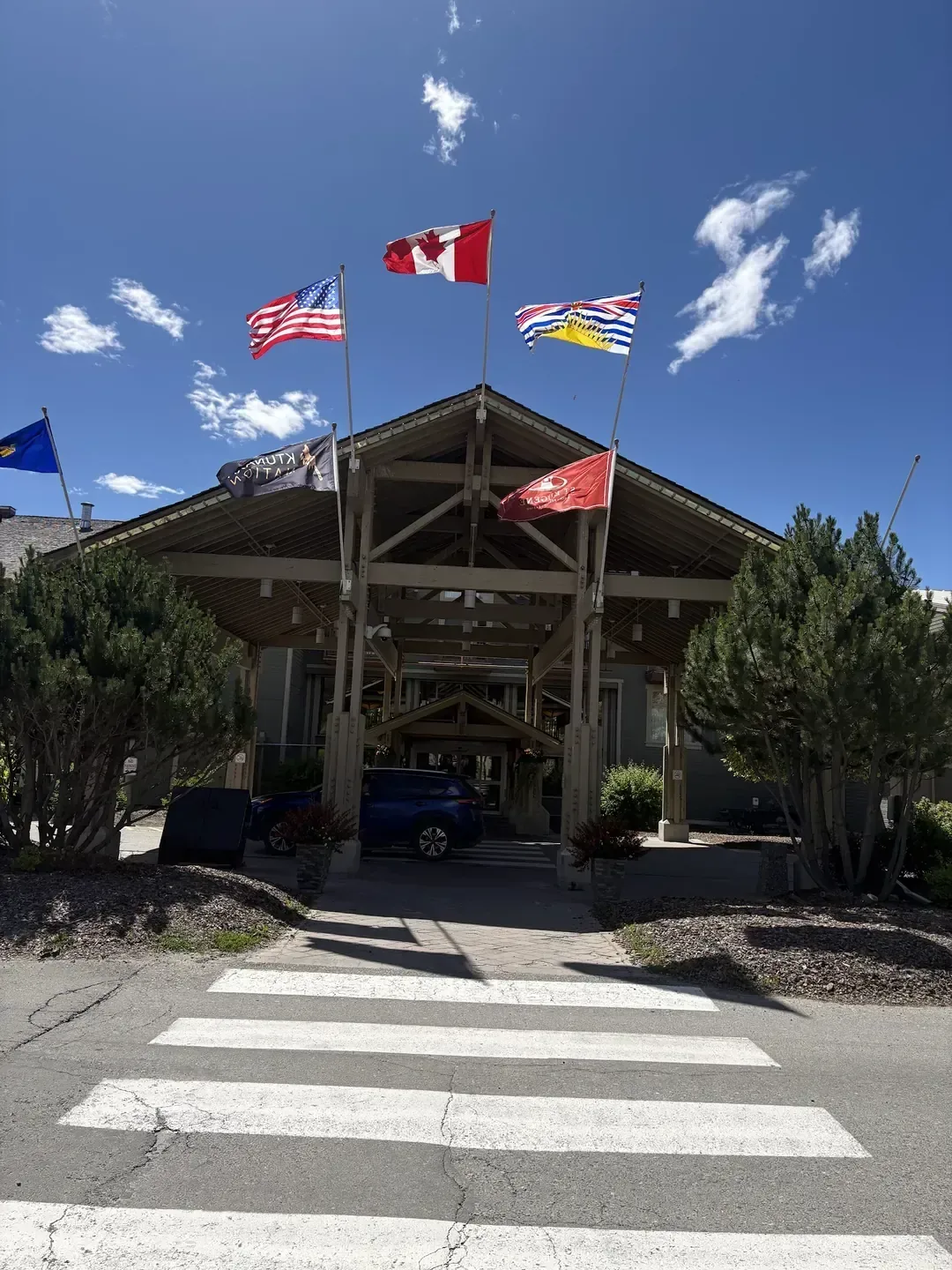
Rooms and Regions
A cross-section of accommodation read through rooms, location and the area around them.
Open the selection →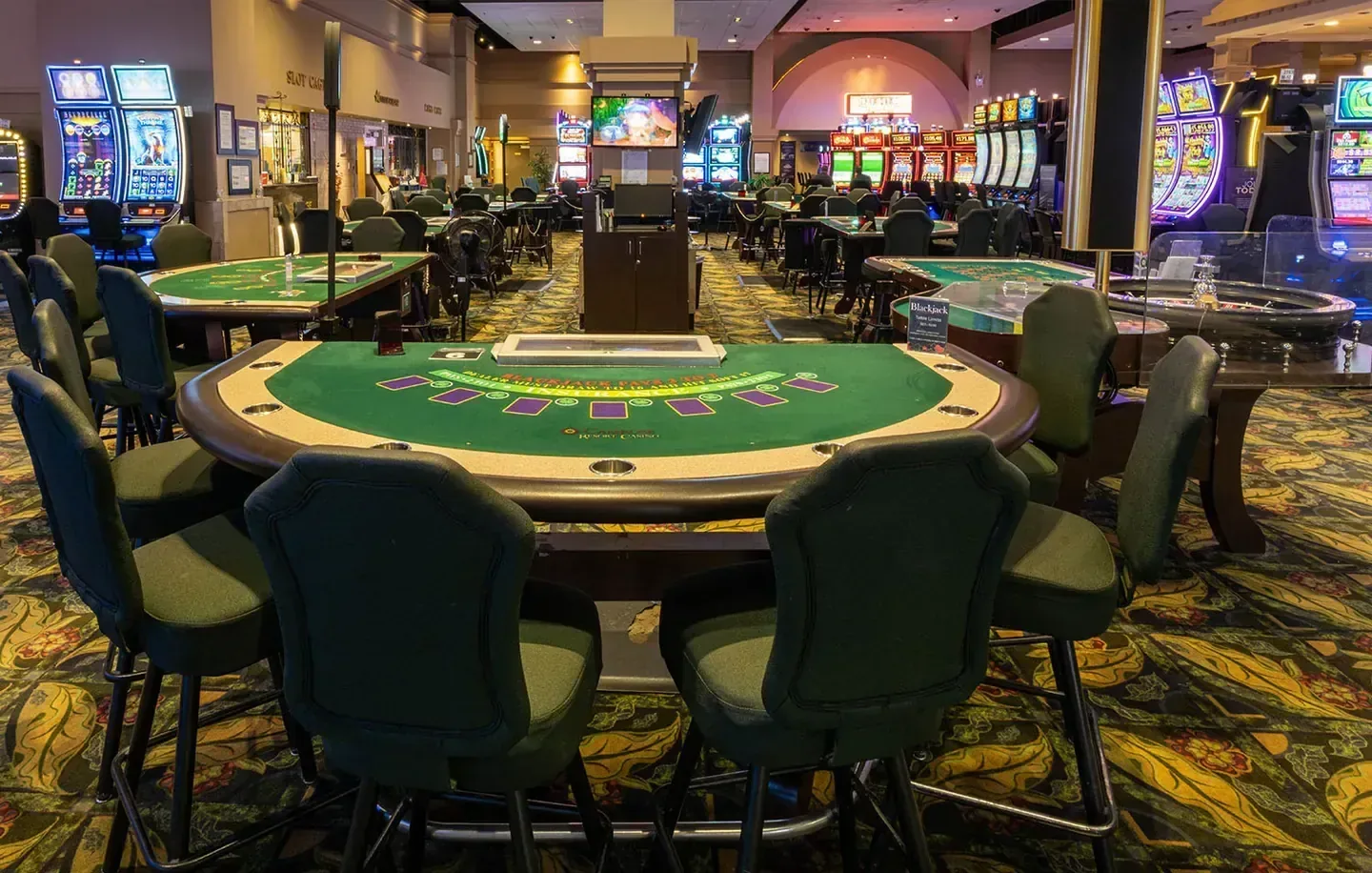
Buildings With a Past
Places whose architecture or history is the first reason to notice them.
Open the selection →How the guide is built
Who we are and how entries are written
Mega Resort Zone is an editorial desk. It does not manage properties, take reservations or hold availability. Each page follows the same structure so you can compare setting, room context and surroundings before you leave for an official listing.
Who We Are
We are an independent guide. We describe hospitality properties in plain structural language.
We are not a booking desk, a ranking board or a marketing channel for any operator named here.
What We Present
Each entry covers category, star class, location and the setting tags that shape the stay.
We stop short of inventing amenities, awards or guest commentary that the supplied facts do not support.
Our Approach
Categories group properties by reading angle — shoreline, region or architectural presence.
Official listing links sit on the cards alone. Everything else on this site points inward.
Stay composition
What a stay usually includes
Geographic frame
The regions this guide covers
Ontario
Waterfront cities and lakeside towns sit beside urban casino-hotel complexes along major travel corridors.
Quebec
River and lake resorts share the page with historic façades that read as destinations in their own right.
Alberta
Prairie cities and countryside stops host casino-hotels built for overnight stays as much as evening use.
British Columbia
Downtown towers and mountain-edge resorts appear together — urban polish beside golf and historic grounds.
Manitoba
Shoreline resort settings give waterfront properties room to breathe beyond the gaming floor.
Saskatchewan
Countryside resort hotels sit in open landscape, with guest wings organised around a contained complex.
Reading a property
What to look for in a stay
Setting first
Ask whether waterfront, city or countryside does the heavy lifting. The same star class reads differently beside a harbour than in a downtown block.
Use the catalog angles to filter before you open any official listing.
Room separation
Note how guest floors relate to public and age-restricted areas. Clear separation usually means quieter overnight corridors.
This guide flags that structure; the property’s own rules define access.
Scale of the complex
Resort hotels spread amenities across grounds. City hotels compress them into a single vertical stack.
Match that scale to how you prefer to move through a stay.
Official detail
Policies, room layouts and seasonal changes live on the official listing page linked from each card.
Treat this guide as orientation, not as a substitute for the provider’s own information.
First impressions
Arrival notes — the first ten minutes
01 · The Entrance
Read the approach: driveway, porte-cochère or street lobby. It signals whether the stay feels resort-scaled or city-compact.
Wayfinding from the door usually shows how guest floors sit relative to public rooms.
02 · The Desk
Check-in desks set the pace of the first conversation. Keep questions about house rules for the property staff, not this guide.
This site cannot adjust a reservation or confirm a room type.
03 · The Corridor
Guest corridors tell you how far rooms sit from elevators and from busier floors. Distance is part of the overnight experience.
Listen for how sound carries before you settle in.
04 · The Outlook
Window orientation — water, city, courtyard or open land — often decides how the room feels after dark.
Confirm view and floor details on the official listing before you travel.